

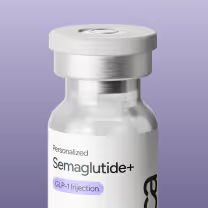

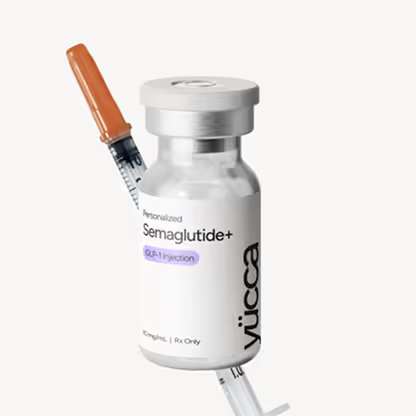



Semaglutide is not an approved cure for polycystic ovary syndrome or menopause. It is, however, highly effective at treating the severe insulin resistance that drives weight gain in both conditions. When your body stops responding to insulin correctly, fat storage becomes a locked biological process. No amount of calorie restriction or exercise can force weight loss when high insulin levels are actively blocking it.
This article explores how GLP-1 medications target the root cause of hormonal weight resistance. We will examine the clinical data behind off-label semaglutide use and explain exactly how it shifts your metabolic baseline. Understanding semaglutide for PCOS and menopause requires separating the direct effects of the medication from the secondary relief it provides. By the end of this guide, you will understand exactly what to expect when treating complex metabolic roadblocks.

Key Takeaways
- Semaglutide acts directly on insulin resistance, which is the primary metabolic roadblock affecting 50% to 80% of patients with polycystic ovary syndrome.
- The medication specifically targets visceral adiposity, making it highly relevant for the central weight gain associated with declining estrogen during perimenopause.
- Clinical data from the STEP 1 trial shows participants on semaglutide lost an average of 14.9% of their body weight over 68 weeks.
- Compounded semaglutide is prescribed off-label to manage the metabolic symptoms of hormonal conditions, not to directly treat underlying endocrine failure.
- Patients must discontinue semaglutide at least two months before attempting to conceive due to potential fetal risks.
The link between hormones and insulin resistance
Hormonal weight gain is fundamentally driven by a disruption in how your body processes energy. When reproductive hormones shift drastically, they directly impact your metabolic pathways. This disruption almost always causes insulin resistance, a metabolic condition where your cells stop responding to the hormone that regulates blood sugar.
Your pancreas responds to this cellular resistance in a panic by pumping out even more insulin. This creates a chronic state of hyperinsulinemia, an abnormally high level of insulin circulating in your blood that signals your body to aggressively store fat.
High insulin acts exactly like a biological lock. It forces your body to hold onto fat cells and completely shuts down the physiological fat-burning process.
This biochemical traffic jam explains why standard diets fail so frequently for metabolic syndrome women. You can meticulously measure your food and maintain a severe calorie deficit. However, if your baseline insulin levels remain elevated, your cells will flatly refuse to release stored energy. Your brain registers the lack of cellular energy as starvation and ramps up hunger signals. You end up feeling constantly hungry while simultaneously gaining weight.
The exact nature of the metabolic breakdown looks slightly different depending on the root cause of the hormonal shift.
ConditionMetabolic ImpactPolycystic Ovary Syndrome (PCOS)Drives systemic insulin resistance that triggers the overproduction of male sex hormones, stalling weight loss and disrupting ovulation.Perimenopause / MenopauseEstrogen decline causes a sharp decrease in metabolic flexibility, forcing the body to preferentially store fat around the central abdominal organs.
Understanding this connection is absolutely critical for managing hormonal weight gain over the long term. Without directly addressing the underlying insulin lock, sustainable weight loss remains biochemically out of reach.
How the semaglutide mechanism of action unlocks fat cells
To break the stubborn cycle of hormonal weight resistance, you need a treatment capable of lowering baseline insulin. This is where the semaglutide mechanism of action becomes essential. Semaglutide belongs to a medication class known as a GLP-1 receptor agonist, a class of medications that mimics a natural digestive hormone to regulate blood sugar and appetite.
Native GLP-1 is a hormone your gut produces immediately after you eat a meal. It tells your pancreas to release the precise amount of insulin needed for that specific food intake. It also suppresses the inappropriate release of glucagon, which is a hormone that actively raises blood sugar.
Semaglutide shares 94% of its structural makeup with this naturally occurring human hormone.
By perfectly mimicking native GLP-1, the medication corrects the broken signaling pathways found in patients dealing with semaglutide insulin resistance. It acts like a master key that finally turns down the pancreas's chronic overproduction of insulin.
This sustained reduction in baseline insulin is the primary trigger for lipolysis, the biological process where your body breaks down stored fat cells to use them for energy. Once the insulin lock is removed, your body can finally utilize the fat it has been hoarding for years.
The medication also works on a complex neurological level. Semaglutide crosses the blood-brain barrier to stimulate hypothalamic satiety, the feeling of lasting fullness generated by specific appetite control centers in your brain. This unique action quiets the chronic food noise that plagues many patients struggling with metabolic dysfunction.
The clinical results of this dual action are well documented in peer-reviewed literature. In the landmark STEP 1 trial, participants taking semaglutide achieved an average body weight reduction of 14.9% over 68 weeks (Source: Wilding et al., NEJM 2021). Furthermore, a direct comparative study found that semaglutide resulted in significantly greater weight loss at 15.8% compared to the 6.4% achieved with earlier generation drugs (Source: STEP 8 trial, JAMA 2022).
These medications directly repair the environment needed to overcome metabolic weight loss plateaus. They do not magically burn fat on their own. Instead, they restore the physiological balance necessary for your dietary efforts to finally yield visible results.
Does semaglutide work for menopause weight gain?
Semaglutide effectively targets the metabolic slowdown and insulin resistance that often accompany menopausal transitions. By regulating appetite and stabilizing blood glucose levels, it helps combat the hormonal belly fat accumulation many women experience during perimenopause and menopause.
As estrogen levels drop during the menopausal transition, your body naturally redistributes where it prefers to store fat. It shifts away from the hips and thighs and centralizes heavily around the abdomen. This creates a specific physiological problem known as visceral adiposity, the accumulation of deep belly fat that surrounds your internal organs and drives systemic inflammation.
Visceral fat is highly metabolically active and deeply problematic. It actively secretes inflammatory chemicals that severely worsen baseline insulin resistance. This creates a punishing feedback loop. Menopausal hormonal changes cause central belly fat to accumulate. That new belly fat makes your cells even more resistant to insulin, which in turn causes more fat storage.
Finding an effective perimenopause weight loss medication often leads patients to GLP-1 treatments out of pure necessity. Semaglutide is uniquely suited for this exact phase of life because it targets the precise metabolic pathways disrupted by the loss of estrogen. It lowers the chronically elevated insulin levels that specifically drive central fat storage.
Emerging clinical analysis also points to an incredibly interesting synergy between GLP-1 medications and properly managed hormone replacement therapy. Patients utilizing hormone protocols alongside semaglutide often experience enhanced metabolic flexibility. Restoring baseline estrogen levels appears to amplify the medication's fat-burning efficacy by supporting overall cellular health.
While semaglutide is not a direct hormone therapy, it removes the metabolic roadblocks that make the menopausal transition so physically frustrating.
How does semaglutide help with PCOS?
- Lowers insulin resistance to restore normal metabolic function.
- Promotes sustainable weight loss by regulating appetite and blood sugar.
- Reduces hyperandrogenism secondarily through significant body weight reduction.
- Regulates appetite by slowing digestion and signaling fullness to the brain.
Using a GLP-1 for PCOS requires understanding the difference between a primary treatment and a secondary benefit. Polycystic ovary syndrome, a hormonal disorder causing enlarged ovaries with small cysts that often leads to metabolic issues, is fundamentally driven by deep endocrine dysfunction.
Clinical research shows that 50% to 80% of patients with this syndrome suffer from underlying insulin resistance (Source: Gharib et al., PMC 2023). This severe resistance makes weight loss nearly impossible for many patients using standard dietary advice. Patients with this condition also face a 3-fold increased risk of developing type 2 diabetes compared to the general population (Source: Gharib et al., PMC 2023).
When you use semaglutide to correct the broken insulin response, you enable significant weight loss to finally occur. That weight loss then acts as a powerful lever to relieve the secondary symptoms of the syndrome.
A minimum reduction of 5% in total body weight is clinically required to significantly ameliorate various metabolic and reproductive symptoms associated with the disorder (Source: BSMMU Clinical Trial Rationale, CenterWatch 2025).
Patients frequently ask if the medication will resolve excess facial hair or severe acne. These specific symptoms are caused by hyperandrogenism, a medical condition characterized by excessive levels of male hormones that can cause secondary physical symptoms. Semaglutide does not directly lower testosterone levels. However, as the medication facilitates weight loss and lowers systemic insulin, the ovaries naturally produce fewer androgens. The symptom relief is a downstream effect of the weight loss, rather than a direct mechanism of the drug.
The medical community is actively investigating these highly specific benefits. The ongoing RESTORE trial at the University of Colorado is currently evaluating semaglutide specifically for reversing metabolic abnormalities and restoring ovulation in affected patients over a 10-month period (Source: ClinicalTrials.gov, NCT05819853).
It is crucial to note that semaglutide is prescribed off-label for these specific symptom profiles. It manages the metabolic realities of the condition without claiming to cure the underlying ovarian dysfunction.
Hormonal and life stage considerations for GLP-1 treatments
Treating hormone-resistant weight gain requires careful attention to a patient's overall life stage. The biological shifts that happen during peak reproductive years and natural aging significantly alter how your body processes any medication.
Fertility and pregnancy require the most strict clinical oversight. Because semaglutide rapidly improves insulin sensitivity and initiates weight loss, it can quickly restore normal ovulation in patients who have struggled with irregular cycles for years. This drastically increases the likelihood of unexpected pregnancy.
Semaglutide is strictly contraindicated during pregnancy due to the potential for fetal harm. Clinical guidelines dictate that patients must discontinue the medication at least two months prior to actively trying to conceive. This extended clearance window ensures the active pharmaceutical ingredients are fully eliminated from your system before a pregnancy begins.
The medication also impacts how other daily oral drugs are absorbed into your bloodstream. Semaglutide intentionally delays gastric emptying to keep you feeling full. This slowed digestive process can theoretically alter the absorption rate of oral contraceptive pills. Patients who experience gastrointestinal side effects during the dose titration phase should use a backup barrier method to ensure full contraceptive protection.
Nearly 44% of patients treated with maximum-dose semaglutide experience some form of nausea (Source: Chamberlin & Davis, StatPearls 2024). These gastrointestinal effects typically peak during the dose-titration phase and subside over time as your body adjusts to the active ingredient.
For patients moving into their fifties and beyond, the clinical focus shifts entirely to metabolic preservation. The natural decline of reproductive hormones drastically increases the risk of developing systemic metabolic issues. Using a GLP-1 medication during this transition helps protect pancreatic function and maintains critical cellular insulin sensitivity as the body ages.
Frequently Asked Questions
Q: Does semaglutide help with PCOS weight loss?
A: Yes, semaglutide can assist with PCOS weight loss by improving insulin sensitivity and regulating blood sugar. Because insulin resistance is a core driver of polycystic ovary syndrome, using a GLP-1 medication addresses this root cause, making it easier to lose stubborn weight alongside dietary changes.
Q: Can you take semaglutide for menopause weight gain?
A: While not explicitly approved for menopause, semaglutide effectively targets the metabolic slowdown and insulin resistance that often accompany menopausal transitions. By regulating appetite and stabilizing blood glucose levels, it helps combat the hormonal belly fat accumulation many women experience during perimenopause and menopause.
Q: How does semaglutide affect insulin resistance?
A: Semaglutide treats insulin resistance by mimicking the naturally occurring GLP-1 hormone. It prompts your pancreas to release the appropriate amount of insulin when blood sugar levels rise after eating. This mechanism enhances cellular insulin sensitivity, reducing the chronic fat storage signals responsible for metabolic weight gain.
Q: Will semaglutide balance my hormones?
A: Semaglutide does not directly supply reproductive hormones like estrogen or progesterone. However, by significantly improving overall metabolic health, reducing circulating insulin levels, and promoting sustainable weight loss, it indirectly helps restore hormonal balance, which can naturally alleviate symptoms tied to excess androgens in women.
Q: Is compounded semaglutide safe for hormonal imbalances?
A: Compounded semaglutide contains the same active pharmaceutical ingredients as commercial GLP-1 medications, though it is not FDA-evaluated in the same manner. When prescribed by licensed healthcare providers, it remains a reliable medical option for managing stubborn weight gain driven by complex hormonal and metabolic barriers.
Q: How long does it take for semaglutide to work for PCOS?
A: Most patients notice early reductions in appetite and food noise within the first month. However, achieving substantial improvements in PCOS-related insulin resistance and seeing visible weight loss typically requires three to six months of consistent medication use, combined with sustainable dietary and lifestyle habits.
Q: Does semaglutide help with menopausal belly fat?
A: Yes, semaglutide can help reduce menopausal belly fat. Visceral fat accumulation during menopause is strongly tied to increasing insulin resistance. By directly treating this metabolic resistance and reducing caloric intake, semaglutide enables your body to successfully mobilize and burn stubborn midsection adipose tissue.
Next steps for your metabolic health
Navigating hormone-resistant weight loss is deeply personal and complex. You do not have to figure out your metabolic health alone. Speaking with a clinician can help you understand your options, including whether compounded semaglutide options might break your specific physiological stall. A consultation with a Yücca provider is a safe space to explore the science and find a treatment path that respects your body's unique biology.
References

Bethany Kelleher is the CX Manager at Yücca Health, bringing over 20 years of experience across fitness, wellness, and healthcare. Her journey started with her own 100+ pound transformation, which inspired a career in coaching, nutrition, and patient experience. At Yücca, she combines her wellness expertise with healthcare operations to create supportive, results-driven patient experiences.
Read Full Bio