




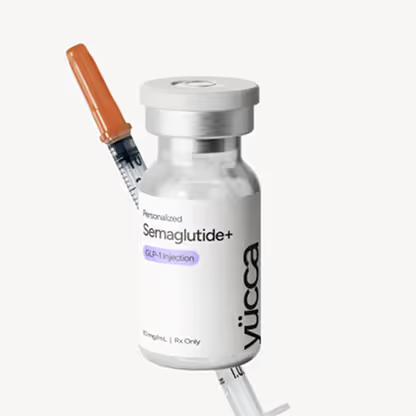



Semaglutide is a GLP-1 receptor agonist that mimics a natural hormone to signal fullness and slow digestion. In the landmark STEP 1 clinical trial, only 3% of patients taking this medication reported hair loss (Source: STEP 1 Study Group, NEJM 2021). Yet modern real-world data reveals that up to 70% of high-responding users experience noticeable shedding (Source: Alhudaithi et al., PMC 2026). This massive gap between controlled trials and everyday experience leaves many patients searching for answers when they notice extra hair in their brush. Finding clumps of hair in the shower drain is incredibly alarming, but it does not mean your follicles are permanently damaged.
If you are experiencing GLP-1 hair loss, you are likely wondering if the medication is toxic to your hair. The clinical evidence points away from the drug molecule itself and toward the biological stress of dropping weight quickly. Understanding the difference between a direct drug side effect and a natural metabolic response is critical for your peace of mind. This 2026 guide covers the exact 90-day timeline of shedding, the cellular science behind the resting phase, and the specific nutritional protocol you can use to protect your hair while reaching your metabolic goals.

Key Takeaways
- Hair shedding on GLP-1 medications is rarely caused by the drug itself. It is a biological response to the severe caloric deficit known as telogen effluvium.
- Your body prioritizes vital organs during rapid weight loss, which forces up to 30% of your hair follicles into a temporary resting phase to conserve energy.
- You will typically notice the peak of your hair shedding roughly 90 to 120 days after your most significant period of rapid weight loss.
- Consuming 1.2 to 1.5 grams of protein per kilogram of your goal body weight is the primary biological defense against metabolic hair shedding.
- Hair loss associated with rapid weight reduction is almost always temporary. Normal growth reliably resumes once your overall weight and daily nutrition stabilize.
The biology of telogen effluvium and metabolic stress
Understanding the biology behind your hair growth can alleviate much of the panic associated with shedding. Telogen effluvium is a temporary form of hair loss triggered by a significant physiological stressor, such as acute caloric deficits. To understand how this works, you have to look at how human hair naturally grows. Your hair follicles constantly cycle through three distinct biological phases. The anagen phase is the active growth period where the hair strand actively lengthens. The catagen phase is a brief transitional window where the follicle prepares to rest. Finally, the telogen phase is a resting state where the hair remains detached from the blood supply but anchored in the follicle before eventually falling out.
Under normal, healthy conditions, only a very small fraction of your hair is in the resting phase at any given time. When you lose weight rapidly, your body enters a highly protective survival mode. Significant caloric deficits force your body to triage its available nutrients. The human body will always prioritize essential organ functions over non-essential processes like hair production. This sudden metabolic stress causes a disproportionate number of hair follicles to prematurely exit the active growth phase and enter the resting phase simultaneously. Your body essentially hits the pause button on your hair factory to save energy for your heart, lungs, and brain.
This specific mechanism explains the confusing delay most patients experience. Because the resting phase lasts for several months, you will not see the effects of this metabolic stress immediately. The resting hairs remain anchored in your scalp for roughly 90 to 120 days. After this lag time, the resting hairs shed all at once as new growth finally begins underneath them. The sudden appearance of intense shedding is not a sign of active damage occurring in that exact moment. It is actually the delayed visible result of the metabolic stress your body experienced three months prior. Your follicles are simply resting, and they are fully capable of returning to the active growth phase. This metabolic stress hair loss is an expected biological trade-off, not a permanent or damaging condition.
The clinical data shift from trials to real world outcomes
Clinical trials initially painted a very reassuring picture regarding hair retention. The SURMOUNT-1 trial for tirzepatide found that alopecia occurred in roughly 6% of patients on the highest weekly dose (Source: SURMOUNT-1 Investigators, NEJM 2022). Alopecia is the broad medical term for hair loss of any kind. However, real-world experience has proven to be quite different as these medications have reached millions of patients. A comprehensive 2026 cohort study published in the Journal of the American Academy of Dermatology highlighted a massive reporting gap. The PMC 2026 real-world data showed that up to 70.4% of GLP-1 users reported noticeable hair shedding during their treatment timeline (Source: Alhudaithi et al., PMC 2026).
This stark discrepancy exists because clinical trials typically only record severe adverse events that require medical intervention. Most patients experience moderate thinning that is deeply distressing but never reaches the clinical threshold of severe alopecia. The 2026 data clearly identifies the primary physiological risk factor for this shedding. Patients who lose 15% or more of their total body weight face significantly higher odds of experiencing telogen effluvium. The sheer speed and total volume of the weight reduction dictate the severity of the body's stress response. Tirzepatide side effects hair loss reports are slightly more common in community forums simply because tirzepatide often produces a larger total percentage of weight reduction compared to older medication alternatives.
To put this phenomenon into perspective, healthcare providers routinely look to established weight loss benchmarks. Bariatric surgery patients experience a 57% rate of hair loss following their procedures due to massive caloric restriction. The weight loss hair shedding seen with modern GLP-1 therapy closely mirrors this well-documented post-surgical reality. You are undergoing a massive metabolic reset that changes how your body distributes energy. While early studies suggested hair thinning was a rare event, the newest evidence confirms it is a highly common and deeply normal response to profound physical transformation. Recognizing this data helps normalize the daily experience so you can focus on proactive recovery instead of panic.
How to stop hair loss on GLP-1 medications
The most effective way to protect your hair is to proactively manage your nutritional intake from the day you take your first dose. You do not have to passively wait for the shedding phase to start. Implementing a structured recovery plan can minimize the amount of follicles entering the resting phase and speed up the return of active growth. If you are wondering how to stop hair loss on GLP-1 therapies, the answer lies in providing your body with the exact raw materials it needs. It must feel physiologically safe enough to resume hair production.
The Yücca protocol dictates that you prioritize protein intake above all other dietary metrics. Protein is the primary building block of hair tissue and keratin. Clinical guidelines suggest aiming for 1.2 to 1.5 grams of protein per kilogram of your goal body weight every single day (Source: Nutrition Working Group, Clin Nutr ESPEN 2025). Hitting this specific target can be difficult when your appetite is heavily suppressed by the medication. Prioritizing high-density protein for hair growth is an absolute necessity. You can utilize liquid options like bone broth, collagen in your coffee, or isolate powders if solid meals feel too overwhelming. Consistent protein intake signals to your body that it has enough daily resources to fund non-essential operations like hair growth.
Beyond basic macronutrients, you must also support your complex cellular processes with specific micronutrients. Zinc, Vitamin D, and iron are critical for maintaining healthy follicles across the entire growth cycle. A systemic deficiency in any of these targeted areas will prolong the resting phase of your hair cycle. Optimizing nutrition requires deliberate planning because you are consuming far less food overall on a daily basis.
Pacing your weekly weight reduction is another powerful protective measure. Slow and steady progress saves more hair than crashing through extreme caloric deficits. Working directly with a provider to titrate your semaglutide dose appropriately ensures your body does not enter extreme survival mode. Finally, you should actively minimize physical stress on your scalp during the shedding phase. Avoid tight hairstyles, excessive heat treatments, and harsh chemical processing while your follicles are in a state of recovery. A gentle scalp care routine prevents you from prematurely pulling out hairs that are in the vulnerable transition phase.
Why women experience metabolic shedding differently
Metabolic shedding affects all bodies, but underlying hormonal profiles can significantly alter the severity and duration of the hair loss. Patients with complex endocrine backgrounds often face compounding variables that make recovery slightly more challenging. Understanding these unique physiological factors is critical for setting realistic timeline expectations and tailoring your nutritional support plan.
Iron storage levels play a massive role in how the human body handles severe metabolic stress. Ferritin is a blood protein that stores iron and releases it in a controlled fashion to your tissues. Women of childbearing age are already at a statistically higher risk for low ferritin due to regular menstruation. Standard laboratory results might indicate that your overall iron levels are technically normal. However, a normal reading for general baseline health is often entirely insufficient for active hair regrowth. Clinical dermatology standards suggest a ferritin level above 70 ng/mL is absolutely necessary to optimally support the active growth phase. If your ferritin is hovering at the low end of the normal range, your follicles will severely struggle to recover from the initial weight loss shock. The direct link between ferritin and hair loss is a primary reason why many patients require targeted iron supplementation alongside their daily protein goals.
Patients with polycystic ovary syndrome often deal with elevated androgens that miniaturize hair follicles over time. Polycystic ovary syndrome is a hormonal disorder causing enlarged ovaries with small cysts on the outer edges. Rapid weight reduction can cause temporary hormonal fluctuations that perfectly mimic postpartum shedding. This acute physical stress compounds the preexisting androgenic thinning and makes the scalp more visible.
Additionally, adults going through perimenopause may already be noticing a steady reduction in overall hair density due to declining estrogen levels. The acute caloric deficit required for significant weight reduction acts as a secondary major stressor on top of these age-related hormonal shifts. Semaglutide hair thinning is not a permanent state for these patients, but recognizing these compounding factors helps your clinical care team build a more accurate timeline for your personal regrowth journey.
Frequently Asked Questions
Does GLP-1 medication cause hair loss directly?
There is currently no clinical evidence that GLP-1 molecules are toxic to hair follicles. Hair thinning is typically a secondary effect of rapid weight loss known as telogen effluvium. This temporary shedding occurs when the body redirects energy from non-essential functions toward metabolic stabilization. The medication itself does not attack or permanently damage your hair.
Why does rapid weight loss cause hair thinning?
Significant caloric deficits trigger a profound physiological stress response within your body. This shock shifts a large percentage of your hair follicles into the resting phase simultaneously to conserve vital energy. Because the natural hair cycle takes several months to complete, you typically notice increased shedding roughly 90 days after your weight loss peaks.
Is hair loss from GLP-1 medications permanent?
No, hair loss associated with GLP-1 therapy is almost always temporary and completely reversible. Once your body weight stabilizes and your nutritional intake, specifically protein and iron, is optimized, your hair follicles will recover. They generally return to the active growth phase within three to six months after the initial metabolic stress has completely passed.
How much protein should I eat to prevent hair loss?
Clinical guidelines generally suggest aiming for 0.8 to 1.2 grams of protein per kilogram of body weight daily to support keratin production. However, increasing that daily target to 1.5 grams per kilogram can provide even stronger biological protection during rapid weight reduction. Prioritizing high-quality protein at every meal ensures your body has the necessary amino acids.
When does hair shedding typically start on semaglutide or tirzepatide?
Patients usually notice increased shedding between two and four months after starting treatment. You might also notice severe shedding shortly after a significant increase in your weekly medication dosage. This long visible delay corresponds perfectly with the length of the resting phase of the human hair growth cycle.
Can supplements like biotin stop GLP-1 hair loss?
While biotin supports general hair health, it rarely stops telogen effluvium. This specific type of shedding is driven by systemic metabolic stress rather than a simple isolated vitamin deficiency. You will see much better clinical results by focusing on comprehensive daily nutrition. Prioritize adequate iron, zinc, Vitamin D, and a consistently high-protein diet.
If you are currently in the shedding window, you do not have to figure out the solution alone. Explore our frequently asked questions or speak to a licensed Yücca provider who can help you adjust your daily nutritional protocol and review your specific protein targets. You can also discuss getting a comprehensive metabolic panel to check your underlying ferritin levels and ensure your body has exactly what it needs. We are here to fully support your hair health and vitality while you confidently reach your weight management goals.
References

Aaron Lee is the co-founder and CEO of Yucca Health, with over a decade of experience spanning clinical operations, growth marketing, and healthcare strategy. His writing draws on 15+ years in the industry to explore health, technology, and the systems worth fixing — making complex topics clear and actionable.
Read Full Bio