





Up to 40 percent of the weight lost on semaglutide can come from lean muscle tissue if you do not follow a specific, high-protein nutrition protocol (Source: Muscle Sparing Case Series, PMC 2025). Many patients expect the medication to simply make them eat less. You might find that you are completely full after just three bites of your dinner. Your medication has successfully quieted your food noise, but the anxiety of figuring out what to actually eat has likely replaced it.
You need practical, actionable guidance on what to put on your plate when nothing sounds appealing. We are not just talking about eating less to lose weight. We are talking about metabolic support, preserving your physical strength, and feeling like yourself again. Finding the best foods to eat on semaglutide requires understanding how your body processes nutrients under the influence of this medication.

Key Takeaways
- Semaglutide users lost an average of 14.9 percent of their body weight over 68 weeks in landmark clinical trials, but sustaining that success requires structural dietary changes.
- Clinical guidelines now recommend a daily protein target of 1.2 to 1.5 grams per kilogram of body weight to prevent severe muscle loss during treatment.
- Nausea and reflux are often mechanical issues caused by heavy, high-fat foods sitting in a stomach that empties much slower than normal.
- Cold, low-aroma proteins and high-fiber complex carbohydrates are your best defense against the most common gastrointestinal side effects.
The Bistro Effect and How Semaglutide Changes Your Digestion
When you start taking semaglutide, your body’s digestive engine idles much slower than it used to. Semaglutide is a GLP-1 receptor agonist, a medication that mimics a naturally occurring hormone to tell your brain you are full while slowing down your digestion.
This mechanism creates delayed gastric emptying, a biological process where food stays in your stomach for a significantly longer period than normal. Think of your stomach as a small, high-end bistro with very limited seating. Before the medication, guests rushed in and out of the restaurant quickly. Now, the guests are lingering at their tables for hours. If you try to force a large, rowdy party into the bistro, there is nowhere for them to sit. A greasy burger or a giant bowl of pasta will get stuck in the lobby.
Your body experiences that backup as intense nausea, bloating, or acid reflux.
To feel your best, you want polite guests who do not take up too much room. You need lean proteins that repair your tissues, fiber that keeps the line moving out the back door, and plenty of water to keep the whole operation running smoothly. You are not simply cutting calories. You are carefully selecting high-quality inputs that your digestive system can handle comfortably.
What Foods Should I Avoid on Semaglutide?
To prevent the bistro lobby from backing up, you need to know which foods cause immediate traffic jams. Because your stomach empties slowly, heavy fats and dense sugars will sit in your digestive tract and ferment or cause pressure.
Beyond the Scale to the Science of Muscle Preservation
Weight loss is not the only metric of success. If you lose weight but sacrifice your physical strength in the process, your metabolism will eventually stall. Protecting your lean mass is the most critical nutritional objective of your treatment.
The SEMALEAN study demonstrated that while lean mass initially declines on these medications, prioritizing muscle function leads to significantly improved physical strength at the 12-month mark (Source: Journal of Obesity Care, 2025). To keep your metabolism strong and your energy high, your body requires enough building blocks to protect your muscles while you lose fat.
How to Prevent Muscle Loss on Semaglutide
- Increase your daily protein intake: Target approximately 1.2 to 1.5 grams of protein per kilogram of body weight every single day.
- Prioritize resistance training: Lift weights or perform bodyweight exercises three times a week to signal to your body that your muscles are still needed.
- Maintain aggressive hydration: Drink at least 80 to 100 ounces of water daily to support muscle repair and nutrient delivery.
Hitting these targets prevents you from developing a slowed metabolic rate. If your metabolism crashes due to muscle loss, you run a high risk of weight regain if you ever stop taking the medication. Sixty-six percent of weight lost is typically regained within one year if the medication is stopped without a structured lifestyle transition (Source: Washington University, 2026).
This makes proper nourishment a medical necessity.
The 2026 Semaglutide Food List and 15 Staples for Success
Building a semaglutide diet plan means stocking your kitchen with foods that deliver maximum nutrition in very small volumes. These 15 foods offer the highest metabolic return on investment while remaining gentle on your digestive tract.
1. Greek yogurt
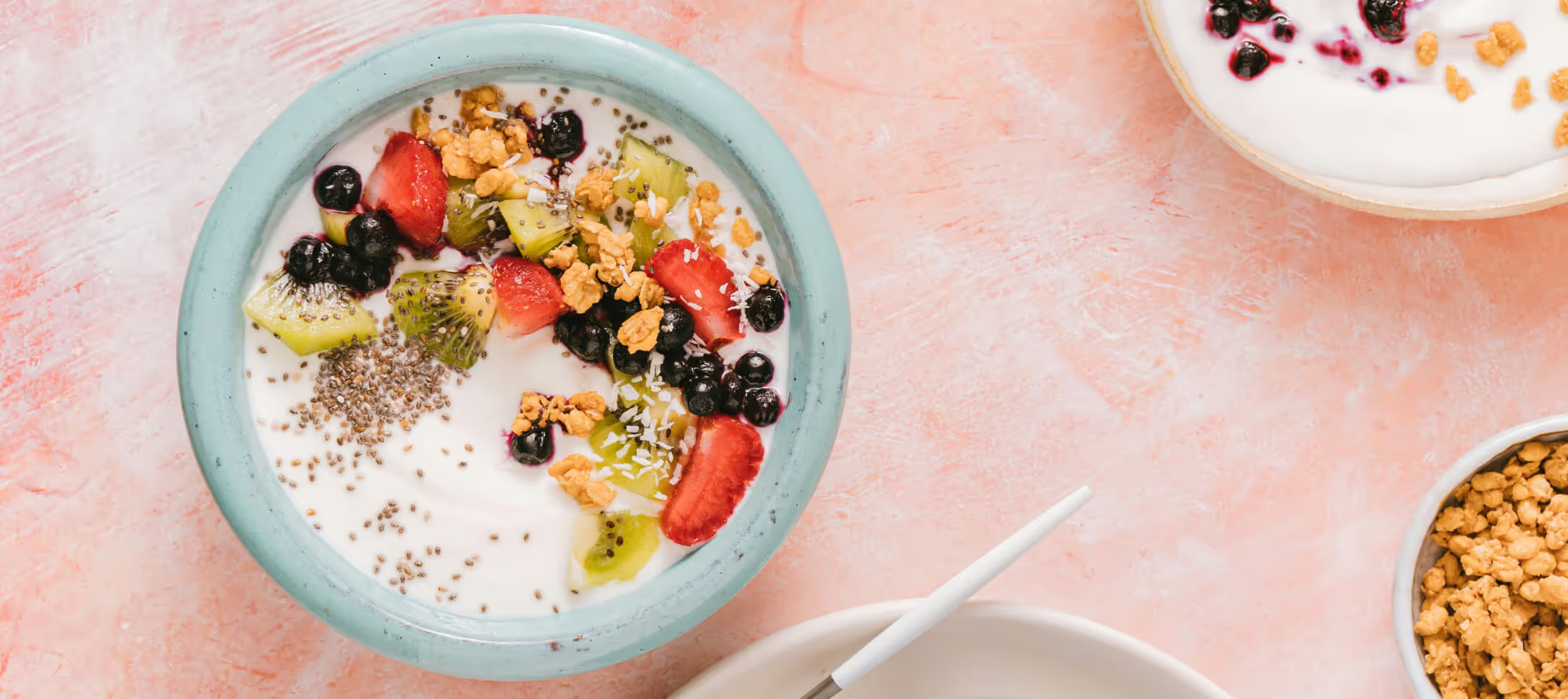
Greek yogurt is exceptionally high in protein and easy to digest. Cold foods emit fewer odors, making cold yogurt a perfect choice when the smell of cooking meat triggers your nausea.
2. Cold rotisserie chicken
Chicken is a complete protein source. Eating it cold straight from the refrigerator eliminates the strong cooking smells that often cause sudden food aversions.
3. Tofu
Tofu is a dense, plant-based protein that digests quickly. It is incredibly bland on its own, making it an excellent vehicle for light, low-acid seasonings that will not upset your stomach.
4. White fish
Cod, tilapia, and halibut digest much faster than beef or pork. White fish provides high protein foods for semaglutide without the heavy fats that cause indigestion.
5. Eggs
Eggs are packed with leucine, an essential amino acid that acts like a chemical switch to turn on muscle building in your body. They are affordable, versatile, and easy to eat in small portions.
6. Quinoa
Quinoa provides complex carbohydrates for steady energy and contains a surprising amount of protein. It helps combat the profound fatigue many patients feel during the first two days after their injection.
7. Raspberries and blackberries
Berries are the absolute best fiber for semaglutide constipation. They pack massive amounts of soluble fiber into tiny, low-sugar packages that keep your digestive tract moving.
8. Chia seeds
When mixed with liquid, chia seeds form a soothing gel. This gel helps regulate your bowel movements and provides a slow, steady release of energy without spiking your blood sugar.
9. Spinach
Non-starchy greens digest easily and take up very little physical room in your stomach once cooked down. Spinach is highly alkaline, making it a perfect side dish to prevent acid reflux.
10. Ginger root
Ginger is a clinically proven anti-emetic that physically calms stomach spasms. If you are struggling with gastrointestinal distress, steeping fresh ginger in hot water is one of the best foods for nausea.
11. Watermelon
Semaglutide often blunts your natural thirst mechanism. Watermelon provides a massive dose of hidden hydration and essential electrolytes to prevent dehydration headaches.
12. Avocados
Rapid weight loss increases the risk of developing gallstones by three to five times (Source: Powers Health, 2026). Eating small amounts of healthy fats like avocado stimulates your gallbladder to empty properly.
13. Lentils
Lentils are a nutritional powerhouse combining plant protein with heavy doses of dietary fiber. They are excellent for stabilizing blood sugar and supporting a healthy gut microbiome.
14. Rolled oats
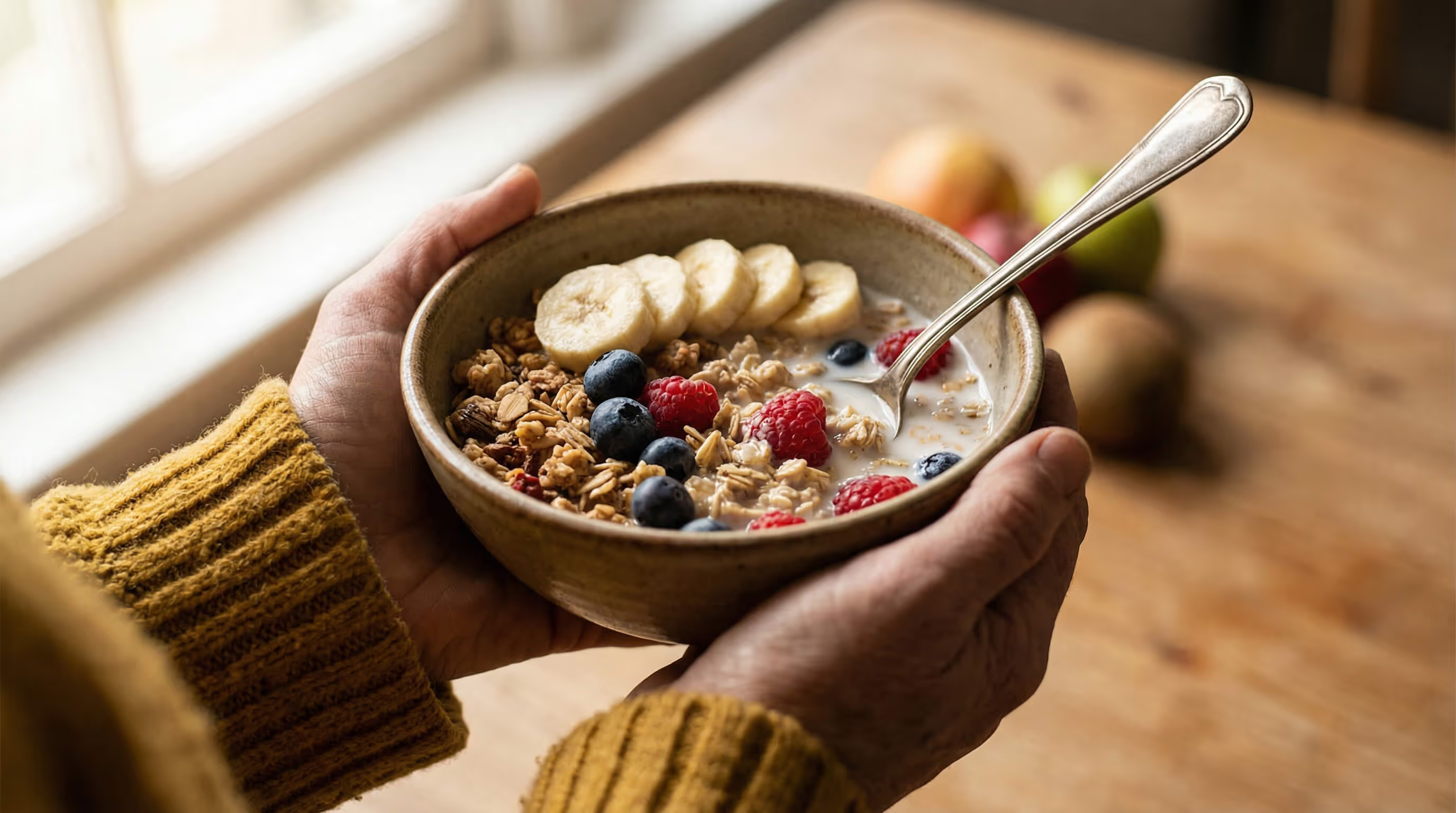
Oats contain beta-glucan, a specific type of fiber that coats the stomach lining. A small bowl of oatmeal provides reliable energy that lasts for hours without causing a mid-afternoon crash.
15. Bone broth
On days when chewing solid food feels impossible, bone broth delivers critical hydration, electrolytes, and collagen protein. It is the ultimate safety food for a highly sensitive stomach.
Side Effect Pairing Table
When side effects strike, refer to this quick pairing guide to find immediate relief.
Hormones, PCOS, and Menopause Considerations for Your Journey
Your hormonal profile drastically changes how your body interacts with food and medication. For patients managing polycystic ovary syndrome, balancing blood sugar is a daily challenge. Many of these patients struggle with insulin resistance, a metabolic condition where your cells stop responding properly to insulin and fail to absorb glucose effectively.
Semaglutide is highly effective for addressing the stubborn, insulin-resistant weight associated with PCOS. In recent clinical trials, 80 percent of women with PCOS achieved at least a 5 percent reduction in body weight on the medication while seeing significant improvements in their cycles (Source: MDPI, 2023). To support this process, your nutrition must focus heavily on low-glycemic carbohydrates like quinoa and lentils to keep your blood sugar completely flat.
Patients experiencing perimenopause or menopause face an entirely different hurdle. Hormonal shifts drastically increase the risk of sarcopenia, the age-related loss of muscle mass and physical strength.
As estrogen drops, your body becomes less efficient at utilizing protein to maintain muscle. This makes hitting the 1.2 to 1.5 grams per kilogram protein target absolutely critical for older adults. You must proactively defend your lean mass with eggs, fish, and Greek yogurt to ensure your weight loss comes from fat rather than the muscle tissue that keeps your bones strong. If you are struggling with this balance, reviewing our guide on preventing muscle loss is an excellent next step.
Frequently Asked Questions
What are the best foods to eat on semaglutide?
The best foods to eat on semaglutide include lean proteins (chicken, tofu, white fish), non-starchy vegetables (spinach, zucchini), and complex carbohydrates (quinoa, oats). These nutrient-dense options provide essential fuel while being easy on the digestive system, helping you maintain energy levels as your appetite decreases during treatment.
How much protein do I need while taking semaglutide?
To prevent muscle loss, experts recommend a protein target of approximately 1.2 to 1.5 g/kg of body weight daily. Prioritize high-quality sources like Greek yogurt, eggs, and lean meats at every meal. This intake ensures your body loses fat rather than lean muscle tissue during weight loss.
Which foods help with semaglutide nausea?
If you experience nausea, focus on bland, low-fat foods like saltine crackers, white rice, or bananas. Ginger-infused teas and small, frequent meals can also soothe the stomach. Avoiding spicy, greasy, or high-sugar foods is critical, as these often trigger or worsen gastrointestinal discomfort while on GLP-1 medications.
Why is fiber important for semaglutide patients?
Fiber is essential because semaglutide slows gastric emptying, which can lead to constipation. Consuming fiber-rich foods like berries, chia seeds, and leafy greens paired with plenty of water helps maintain regular bowel movements. Aim for 25 to 30 grams of fiber daily to support digestive health and keep you feeling comfortable.
Can I eat sugar or sweets on semaglutide?
You can eat sugar in moderation, but many patients find that highly sugary foods cause "dumping syndrome" or intense nausea. Semaglutide changes your reward response to sweets, often making them less appealing. Focus on natural sugars from fruit to satisfy cravings while providing vitamins and antioxidants your body needs.
Should I avoid high-fat foods on semaglutide?
Yes, it is best to limit high-fat, fried, or greasy foods. Because semaglutide slows down how quickly your stomach empties, heavy fats can sit in the stomach longer, leading to severe bloating, reflux, and indigestion. Choose healthy fats like avocado or olive oil in small, controlled portions instead.
If you have more inquiries, check out our expanded frequently asked questions.
Finding your new rhythm with food can take time, especially when your body is learning to speak a new metabolic language. If you are struggling to hit your protein goals, need help titrating your dose, or just need a hand fine-tuning your grocery list, our clinical team is here to help you bridge the gap between your prescription and your plate. You can complete a short health assessment at quiz.tryyucca.com to connect with a licensed provider today.
This article is for informational purposes only and does not constitute medical advice. Always consult a qualified healthcare provider before starting any new medication or treatment. Results may vary. Compounded semaglutide and compounded tirzepatide have not been approved or evaluated by the FDA for any indication.
References

Aaron Lee is the co-founder and CEO of Yucca Health, with over a decade of experience spanning clinical operations, growth marketing, and healthcare strategy. His writing draws on 15+ years in the industry to explore health, technology, and the systems worth fixing — making complex topics clear and actionable.
Read Full Bio