


Key Takeaways
- Adjustment period: Many individuals note an initial period of digestive discomfort as the body adapts to treatment.
- Varied personal response: Results can differ widely depending on lifestyle, metabolism, and adherence to the plan.
- Cost considerations: Depending on insurance coverage or program options, out-of-pocket costs may vary.
- The most reliable appetite control typically appears around the three-month mark when the medication reaches its full effect.
heading h2
In the rapidly evolving world of GLP-1-based treatments, two names continue to lead the conversation: tirzepatide and semaglutide. Both medications have reshaped the landscape of metabolic health, but they work in slightly different ways and offer distinct benefits. As interest grows, many people are curious about how these two options compare—whether in mechanism, outcomes, or overall experience.
Explore GLP-1 Treatment Options
Making choices about your health shouldn't feel overwhelming.
Learn how GLP-1-based treatments work, what to expect, and how a structured care plan can support long-term
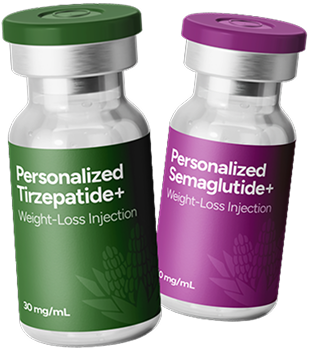
This article explores the key contrasts and what they might mean for individuals navigating their health journey.
Explore GLP-1 Treatment Options
Making choices about your health shouldn't feel overwhelming.
Learn how GLP-1-based treatments work, what to expect, and how a structured care plan can support long-term
Answers to Common Questions
Frequently Asked Questions
Are there notable differences in day-to-day expectations once therapy is underway?
First test Dec 19 1:13pm In general, patients can expect a similar rhythm of monitoring, lifestyle adjustments, and periodic check-ins. The nuances rest in how each medication shapes energy levels, hunger cues, and overall comfort as the body adapts. aadsd8as8das8d3
heading h2 v2
In the rapidly evolving world of GLP-1-based treatments, two names continue to lead the conversation: tirzepatide and semaglutide. Both medications have reshaped the landscape of metabolic health, but they work in slightly different ways and offer distinct benefits. As interest grows, many people are curious about how these two options compare—whether in mechanism, outcomes, or overall experience.
This article explores the key contrasts and what they might mean for individuals navigating their health journey.
Explore GLP-1 Treatment Options
Making choices about your health shouldn't feel overwhelming.
Learn how GLP-1-based treatments work, what to expect, and how a structured care plan can support long-term
References

Marissa Anderson is a health and science writer who specializes in translating complex medical topics into clear, engaging stories. Her work has appeared in Healthline, Scientific American, The Washington Post Health, and Men’s Health. She holds a Master’s in Journalism from Northwestern University’s Medill School, where she focused on health reporting and digital storytelling.
Read Full Bio