
Key Takeaways
- Semaglutide pens are calibrated medical devices, not adjustable containers, and altering them defeats their built-in dose-control mechanisms.
- Manual dose splitting introduces significant measurement error, making it impossible to reliably deliver the intended amount of medication.
- Once a pen is opened or transferred, sterility is lost, increasing the risk of bacterial contamination and infection.
- Using a manipulated pen places patients outside FDA-approved use and manufacturer safety standards, with no clinical data to support safety or efficacy.
- Financial pressure is the main driver of pen splitting, but safer cost-reduction options exist that do not compromise treatment integrity or patient health.
Although semaglutide can support significant weight loss results — up to 15% in a year and a half when combined with healthy lifestyle habits — it also comes with a hefty price tag.
This may lead people to wonder whether they can cut costs with a few money-saving tricks by injecting a partial dose of semaglutide.
If you've found yourself searching for cost-saving semaglutide safe ways, you're not alone. Many people consider adjusting their dose due to cost, side effects, or shortages.
But the short answer is no, there is no safe way to use this method. Keep reading for why you shouldn’t split semaglutide pens.
The Problem: Why Patients Consider Splitting Doses {toc:Reasons for Splitting}
An FDA-approved medication, semaglutide is prescribed to lower blood sugar in those with type 2 diabetes as well as for weight loss in people with obesity. It’s also approved for reducing heart attacks or strokes in those with diabetes or known heart disease.
Semaglutide often comes as a single-dose pen for injections that can be done at home, bringing down costs somewhat compared to paying a copay at the doctor’s office when you need your next dose.
But both the FDA and Novo Nordisk, the maker of Wegovy and Ozempic, urge against splitting injections for the reasons we’ve listed below.
The High Cost of GLP-1 Therapy (Semaglutide)
Some may think about splitting doses to make their pen last longer, especially if cost or supply problems are an issue.
Semaglutide comes as either a single-dose pre-filled pen for weekly dosing or as multiple-dose pens for once-a-week dosing.
The average cost of a single semaglutide injection for weight loss (under the brand name Wegovy) is just over $1400 without insurance for a month of injections. Meanwhile, a month of Ozempic can cost nearly $1,000.
Why Manufacturer Doses Don't Always Align with Patient Needs
When manufacturers make the doses, they’re created from the results of clinical trials that involve multiple people.
A quick example: the largest semaglutide clinical trial involved over 17,600 adults with obesity (but not diabetes).
So while these studies are good to establish how efficient and safe the medication is on a large-scale, they don’t always capture how each person will tolerate or react to the drug.
Semaglutide often comes with side effects such as nausea, vomiting, diarrhea, stomach pain, and constipation.
While these adverse effects are often mild and go away as your body adjusts to the medication dosage — usually within four to eight weeks — they can be uncomfortable and cause people to stop taking the medication.
But while some people try splitting semaglutide doses (like taking half doses twice a week) to reduce stomach side effects, the evidence behind this method is limited.
There can also be different dosage needs for different people.
The usual recommended adult dose of semaglutide for weight loss starts at a low dose of 0.25 mg and is gradually increased over several months to a maintenance dose of 1.7 mg or 2.4 mg.
This is so people can adjust to the medication, which then may be increased, depending on individual health needs and concerns.
However, some people may not be able to tolerate a certain dose or experience different results.
These pens aren’t like pill cutters. They’re calibrated medical devices. Once you try to divide or extract medication manually, accuracy goes out the window—and so does safety.
— Dr. Nina Caldwell, MD, Primary Care Physician
The Medical and Mechanical Dangers of Splitting {toc:Dangers of Splitting}
Even if you can find a way to split the medication — one way is by drawing the divided dose out of the pen with a syringe and putting it in a separate vial — you should not split semaglutide pens.
Injectable semaglutide comes in pre-filled pens designed for precise dosing, and modifying the medications can lead to inaccurate dosing and potential safety risks.
Reducing or cutting your dose in half on your own can slow progress, and it may make blood sugar harder to control as well as cause unwanted side effects.
Danger 1: Total Dose Inaccuracy and Hypoglycemia Risk
Trying to split your dose by guessing or using the number of clicks can easily lead to underdosing or overdosing, making the treatment less reliable and wasting medication.
Not only is taking a half dose without your doctor’s guidance not safe, but reducing a semaglutide dose will likely reduce its effectiveness in controlling blood sugar, managing weight, and maximizing heart health benefits, compared to a medically recommended full dose.
There’s also an increased risk of hypoglycemia, or low blood sugar, if you’re using semaglutide for blood sugar management with type 2 diabetes, especially if you’re taking insulin or other drugs that lower blood sugar.
In some rare cases, like managing side effects or adjusting for health conditions, a lower dose of semaglutide may be needed. But this should only be done with your doctor’s guidance.
Danger 2: Compromising Sterility and Infection Risk
One of the biggest issues with splitting semaglutide doses is that it’s not sterile, which increases the risk of infection.
Semaglutide comes as a prefilled pen with multiple doses and needles, so you can reuse the pen for a month, but with a new needle each time.
Here’s a refresher on how to correctly inject a semaglutide pen:
- Wash your hands with soap and water, and remove the cap from the pen
- Put a new needle on the pen (always use a new needle and don’t share needles)
- Clean the skin where you’ll inject with an alcohol swab and let it dry completely
- Turn the dose dial to select your prescribed dose
- Insert the needle under your skin at the injection site
- Press the dose button and keep it pressed until the dose counter shows 0
- Hold the button down and leave the needle in your skin for 6 seconds to make sure you get the full dose
- Carefully pull the needle out of your skin while still pressing the button
- Remove the needle and throw it away safely in a sharps container
- Put the pen cap back on and store the pen in the fridge or at room temperature
Any time the manufacturer’s design is tampered with, bacteria can enter the medication and create an opportunity for infection.
Manufacturer Design: Why Pre-filled Pens Cannot Be Used for Splitting
Beyond increased infection risk, the design of a semaglutide pen is made to deliver an accurate dose in a super-easy way.
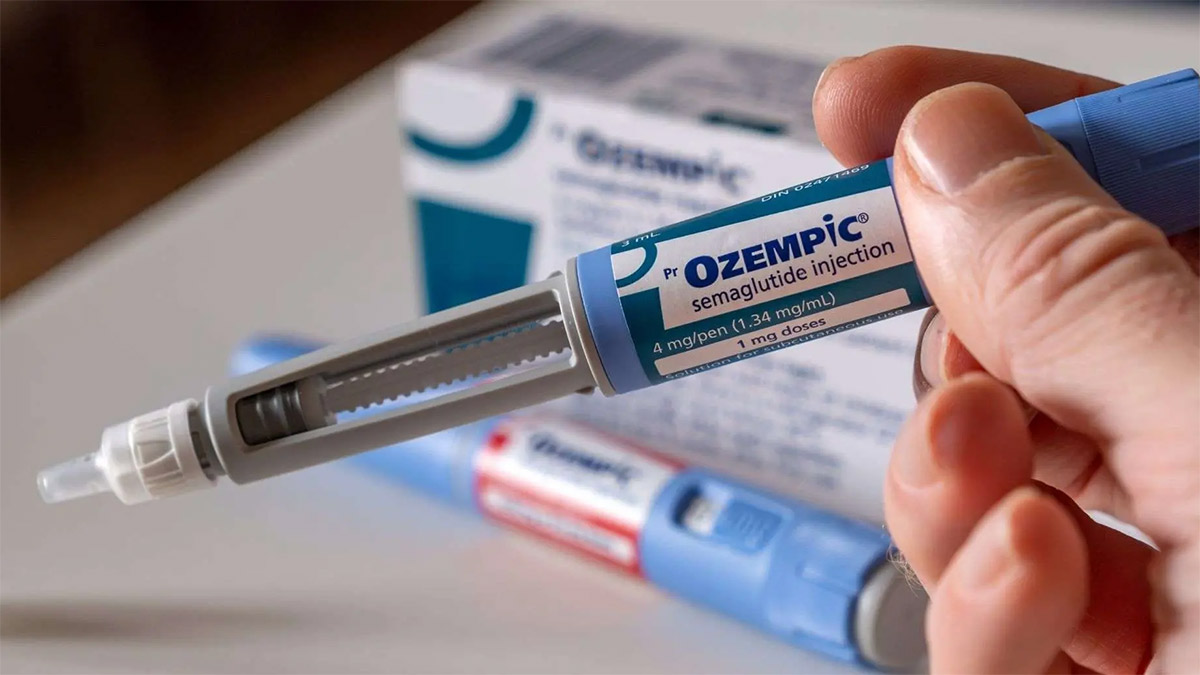
Semaglutide pens aren’t designed to be split or adjusted manually at home, as the internal mechanism delivers each precise dose.
When you inject the medicine, you hear a “click” sound. Every “click” delivers a precise, pre-measured dose for a correct dose every time you use it.
While being able to inject the medication at home is convenient, trying to count clicks or only pushing down the needle partway to make it last longer can result in inaccurate dosing.
The Science of Dosage: Why Precision Matters {toc:The Dosage Science}
And speaking of precise dosing, it’s another reason why you shouldn’t manipulate the semaglutide dose.
Therapeutic Window: The Difference Between Efficacy and Harm
To receive the full benefits of semaglutide for weight loss, blood sugar, and heart health, the correct, full dose must be administered. Inconsistent dosing can cause reduced effects, not to mention potential harmful reactions.
One method of splitting the dose is by injecting it into a vial and then using a separate needle to draw out the amount for the next dose.
Doing this makes it more difficult to extract a full dose, providing you with more or less than your prescribed dosage, which could lead to accidental overdose or withdrawal.
A semaglutide overdose can cause severe gastrointestinal issues like nausea and vomiting, and dangerously low blood sugar, which may result in hospitalization. Last year alone saw a 1,500% increase in semaglutide dosing errors.
Meanwhile, taking less than your prescribed dose can result in semaglutide withdrawal symptoms, causing increased appetite, weight regain, higher blood sugar, possible headaches, fatigue, or gastrointestinal discomfort.
However, using the pens as directed is safe, effective, and leaves less room for error, as research shows.
Importance of Titration and Consistent Dosing
Titration is a gradual, step-by-step increase in dosage designed to help the body adjust to the medication and minimize side effects like nausea or vomiting.
The dosage can differ slightly if you’re taking Ozempic or Wegovy, but it’s generally broken down like:
- 0.25 mg once weekly for 4 weeks: This is supposed to help your body adjust and reduce the risk of severe side effects
- 0.5 mg once weekly for 3 to 4 weeks: The next dose should start improving blood sugar and weight management
- 1 mg, 1.7 mg, or 2 mg once weekly: This is considered a maintenance dose if further blood sugar control or weight loss is needed
Safe and Approved Strategies for Cost Savings {toc: Cost Savings Strategies}
Due to prices, it’s understandable to want to save money wherever you can on semaglutide injections.
And while the potential risks of splitting injections heavily outweigh the savings, there are some cost-saving semaglutide safe ways.
Utilizing Manufacturer Coupons and Patient Assistance Programs (PAPs)
Coupons aren’t just for the grocery store — Novo Nordisk offers savings programs for both Ozempic and Wegovy.
Some eligibility requirements need to be met to qualify, such as using the medication for an FDA-approved condition. But if you meet the requirements, the monthly cost of your prescription could be reduced.
Patience assistance programs also help people get medications at reduced or no cost through manufacturers, charities, or state programs.
Appealing Insurance Denials and Coverage Gaps
Healthcare coverage for semaglutide and similar weight loss drugs can vary significantly. While it’s more common for type 2 diabetes than weight loss, you’ll want to double-check your plan.
And this includes your right to appeal insurance denials, with supporting documents from your doctor and medical records to help your claim.
Considering Generics or Alternative, Covered Medications
If you’re still considering splitting doses to cut costs or manage side effects, a safer alternative is to discuss generic or alternative medications, like compounded drugs, with your doctor.
Generic drugs are chemically identical to brand-name drugs. So in this case, Ozempic and Wegovy (the brand names) both contain the active ingredient semaglutide.
Generic medications also work the same way and are approved by the FDA, but are often cheaper than their brand-name counterparts.
However, compounded medications (customized versions of the drug created by specialized pharmacies) are not FDA-approved and haven’t gone through the same safety testing.
Alternative medications that work somewhat similarly to semaglutide include tirzepatide (under the brand names Zepbound and Mounjaro) or liraglutide (sold as Saxenda).
Frequently Asked Questions
Is it safe to change the needle on the pen and reuse it?
No, as reusing a needle causes it to pick up bacteria, become weaker and break, or become duller and make injections more painful.
Can I draw the dose out of the pen using a separate syringe?
No, drawing the dose out of the pen can and then pulling it from a separate syringe can alter the next dose.
Where can I find a legitimate patient assistance program for Wegovy?
You can start with the manufacturer of Wegovy, Novo Nordisk, talk to your doctor for support through NovoCare, or try resources like PAN Foundation.
Is there a risk of overdose if I split the dose incorrectly?
Yes, incorrectly splitting a semaglutide dose could lead to an overdose, resulting in severe nausea or vomiting or dangerously low blood sugar.
References

Rachel Sacks
Rachel Sacks is a New York-based contributing writer with more than a decade of experience covering a range of topics, including weight loss, mental health, sexual wellness, skincare, and more. Her work has been featured in The New York Post, Healthline, Hims & Hers, Business Insider, and other notable publications. She graduated from Miami University in Oxford, Ohio, with dual degrees in Journalism and Art History.
Read Full Bio